
Cue Bar Etiquette: 7 Rules Every Player Should Know
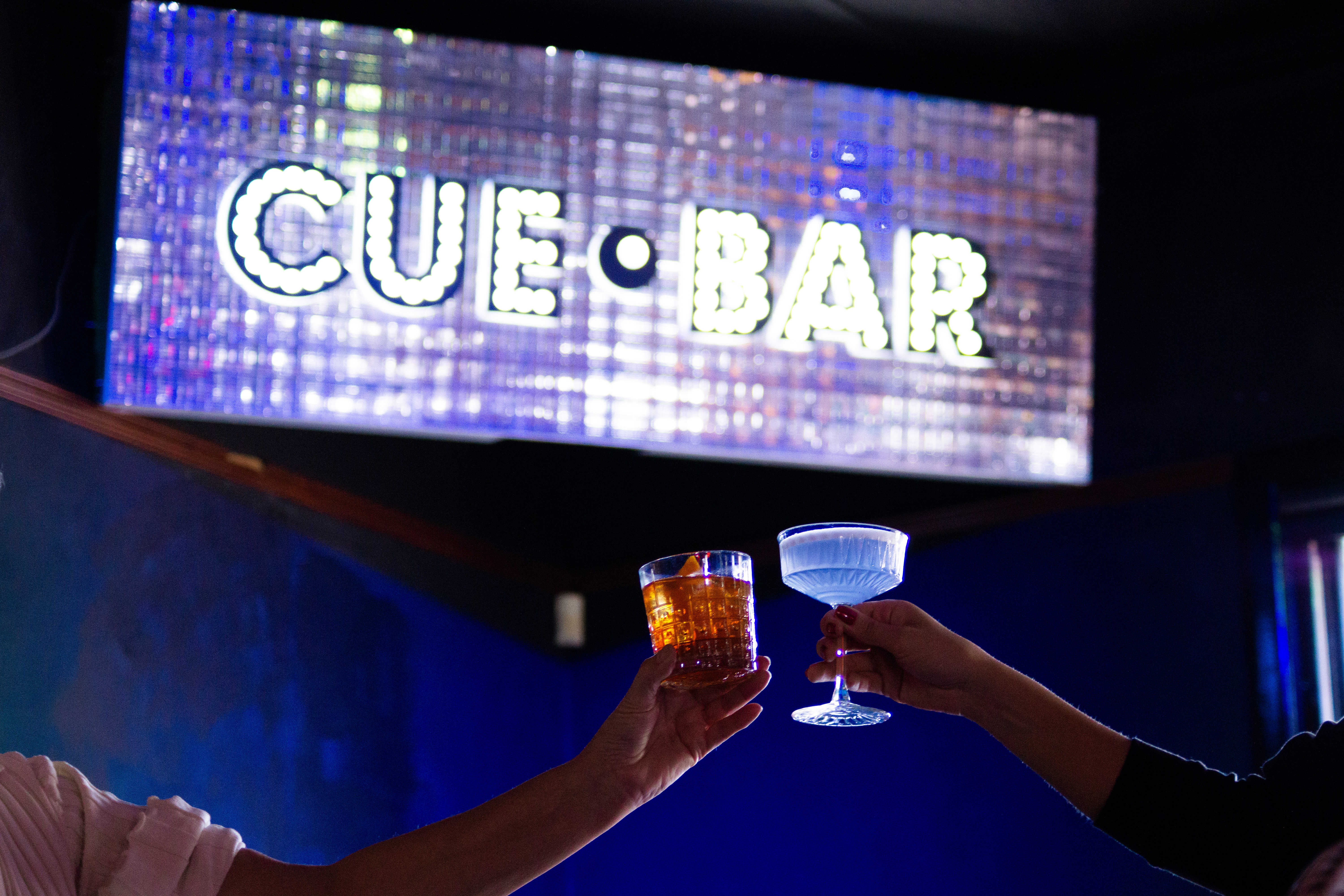
A good night at the cue bar can turn sour fast when one player treats the table like their personal stage. The shots matter, but the manners around the table matter just as much.
Pool, snooker and billiards all have their own fine points, yet the social rules are simple: respect the game, respect the gear and respect the people waiting for their turn. Whether the venue is a local pub, a dedicated pool hall or a busy bar with one prized table in the corner, good etiquette keeps the night moving and makes everyone more likely to enjoy the game.
This guide covers the seven rules every player should know before they chalk up.

Why etiquette matters at a Cue Bar
Cue sports look casual in a bar setting, but they still rely on shared space. One table might serve a dozen players over a night. A careless drink spill, a loud interruption or a player who ignores the queue can spoil the game for everyone.
Good etiquette also helps newer players feel welcome. Not everyone knows the local rules. Some people play eight-ball by pub rules, some use more formal rules, and some just want a friendly frame with mates. Clear, calm behaviour avoids awkward arguments.
The best players are not always the ones potting the hardest shots. They are often the people others want to play again. They call fouls fairly, step back when needed and keep the table in good condition. That is the heart of cue bar etiquette.
Know the house rules before you play
Every venue has its own way of doing things. Some bars run a chalkboard queue. Some use coins on the rail. Some expect the winner to stay on the table, while others run casual match play between groups. Before you jump in, take a minute to work out the system.
If the table is already in use, do not hover over the players and ask every few minutes when they will finish. Look for the queue, ask the bar staff if you are unsure, or politely ask the players between racks.
A simple line works well:
“No rush, just checking how the queue works here.”
That shows you respect the game in progress and the venue’s customs.
Rule 1. Put your name down properly and wait your turn
Queue jumping is one of the fastest ways to annoy a room. If names are on a board, add yours in the right spot. If coins or tokens show the order, place yours last. If the winner stays on, be ready when called, but do not pressure the table.
Waiting your turn also means being nearby when it arrives. If your name is called and you are outside or halfway through ordering food, the group may move to the next player. That is fair.
A good habit is to check in just before the current game ends. Stay visible, but give the players space.
Rule 2. Agree on the rules before the break
Most pub arguments start after a foul, not before the game begins. Avoid that by agreeing on the basics first.
Sort out:
Which rule set you are using
Whether shots need to be called
What happens after a scratch
Whether touching another ball is a foul
How the black ball or eight ball must be potted
Whether house rules override anything else
Keep it light. You do not need a formal speech. Just ask, “What rules are we playing?” before the break.
If players come from different backgrounds, choose the simplest shared rules and stick with them. Changing the agreement mid-game is poor form, especially after a mistake has already happened.

Respect the table, the cues and the space around you
Cue tables are tougher than they look, but they are not indestructible. Cloth can tear, rails can mark and cues can warp. In many bars, the table is used every day, so small careless habits add up.
Good players treat the equipment well even when they are frustrated. That includes the house cues, the chalk, the triangle, the bridge and the table itself.
Rule 3. Keep drinks, food and phones off the table
This rule should be obvious, yet it gets broken all the time. Never place a pint, glass, plate, phone or handbag on the table. Not on the cloth, not on the rail and not “just for a second”.
Spills can stain cloth and affect the roll of the balls. A phone or keys on the rail can fall, scratch a ball or distract a player mid-shot.
Use a nearby bench, shelf or table. If the venue does not have much space, hold your drink or ask a mate to mind it while you shoot.
The same goes for ash, chewing gum and anything sticky. Once something gets into the cloth, every player after you deals with it.
Rule 4. Handle cues and balls with care
A cue is not a walking stick, pointer, drumstick or sword. Do not lean on it heavily, slap it on the floor or bend it while waiting. If you use a house cue, return it to the rack properly when you finish.
Avoid tossing balls onto the table. Place them gently when setting up a rack. If a ball jumps off the table, pick it up and check it quickly before putting it back into play under the agreed rules.
Also, chalk neatly. Chalk the tip, not half the shaft or your hands. Try not to grind chalk dust into the rail or cloth.
Here is a quick guide to table care:
Good habit | Why it matters |
Keep drinks away from the table | Prevents spills, stains and sticky rails |
Rack balls gently | Protects the cloth and keeps the game clean |
Return cues to the rack | Helps prevent warping and damage |
Chalk over the floor, not the table | Keeps loose chalk out of the cloth |
Use the bridge properly | Avoids awkward leaning and accidental contact |
Give players room to take their shot
Cue sports demand focus. Even a friendly bar game needs a little quiet and space when someone is down on a shot. You do not need silence across the whole venue, but the immediate area around the table should feel fair.
This is where many new players go wrong. They stand in the sightline, talk during the backswing or wander too close to the cueing arm.
Rule 5. Stay still and out of the line of sight
When another player is preparing to shoot, step back. Stay out of their direct view of the pocket if possible. Do not stand right behind the pocket they are aiming at, and do not move across the shot line once they are down.
If the room is crowded, do your best. Sometimes a bar table sits near stools, walls or walkways. Still, a little awareness helps. If you notice that you are in the way, shift before the player settles.
Noise matters too. General bar noise is part of the setting. Sudden comments, laughter aimed at the shot or calling out while the cue is moving crosses the line.
A fair rule: if your movement or comment could affect the shot, hold it until the ball stops.
Rule 6. Do not shark, coach or celebrate too early
“Sharking” means trying to distract or unsettle another player. It can be obvious, like talking through their shot, or subtle, like sighing loudly, tapping coins or making comments about pressure.
Avoid lines such as:
“Don’t miss this one.”
“That’s harder than it looks.”
“Careful, you scratched here last time.”
“This is for the game.”
Even as a joke, it can feel cheap.
Coaching is another trap. Unless someone asks for help, do not tell them which ball to play, how to stand or what they should have done. Advice after every miss makes the game drag and can embarrass newer players.
Celebrating early is poor form too. If a ball is still rolling, wait. If your opponent leaves you an easy finish, stay composed. You can enjoy the game without making the other person feel small.

Keep the game moving without rushing people
A good cue bar game has rhythm. Players take time when they need it, but nobody treats every shot like a televised final. The goal is not to hurry everyone. The goal is to keep the table fair for the people already waiting.
If there is no queue, take your time and enjoy the match. If several people are lined up, be aware of pace. Long debates, repeated practice strokes and disappearing between turns all slow things down.
Rule 7. Play at a fair pace and be gracious at the end
Take the time needed to choose your shot, then play it. If you are unsure, pick a sensible option rather than circling the table for two minutes. When it is not your turn, stay close enough to return without delay.
If you need a bathroom break, a drink or a quick phone check, choose a natural pause. Tell the other player. Do not vanish mid-frame without a word.
At the end of the game, handle the result well.
If you win:
Shake hands or offer a simple “good game”
Clear the table area quickly if others are waiting
Do not replay every mistake your opponent made
Do not gloat over a lucky shot
If you lose:
Accept the result
Avoid blaming the cue, cloth, music or crowd
Call your own fouls if they happen
Congratulate the other player
Everyone gets bad rolls. Everyone misses easy balls. How you react says more about you than the score does.

What to do when something goes wrong
Even with good manners, disputes happen. A ball might move when someone brushes the table. Two players might remember the rule differently. Someone might take a shot out of turn.
The key is to pause before the next shot. Once another shot is played, it becomes harder to fix.
Try this approach:
Stop the game calmly.
Explain what you saw.
Ask what the other player saw.
Check the house rule if there is one.
Agree on the fairest fix and keep playing.
Do not turn every close call into a courtroom drama. In a casual bar game, a fair replay or simple reset often works better than a long argument.
If the dispute involves a venue rule, ask staff only if needed. Do not drag staff into every minor disagreement. They are there to run the venue, not referee every frame.
If another player behaves badly, stay calm. You can finish the game, decline a rematch or step away. Matching poor behaviour rarely improves the night.
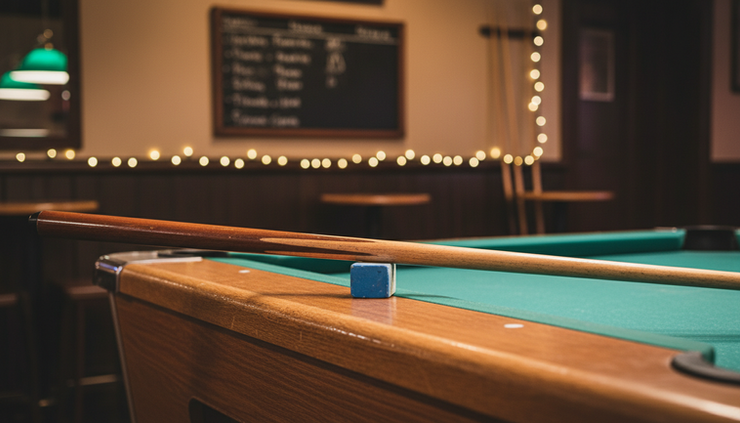
The simple test for good cue bar manners
When in doubt, ask one question: would this behaviour bother you if someone else did it during your shot?
If the answer is yes, do not do it.
Good etiquette is not stiff or old-fashioned. It is what lets a busy table work. Put your name down properly, agree on the rules, care for the equipment, give players space, avoid cheap distractions, keep the game moving and handle wins or losses with class.
Do those seven things and you will be welcome at almost any cue bar, whether you are running the table or still learning how to control the white ball.


Comments